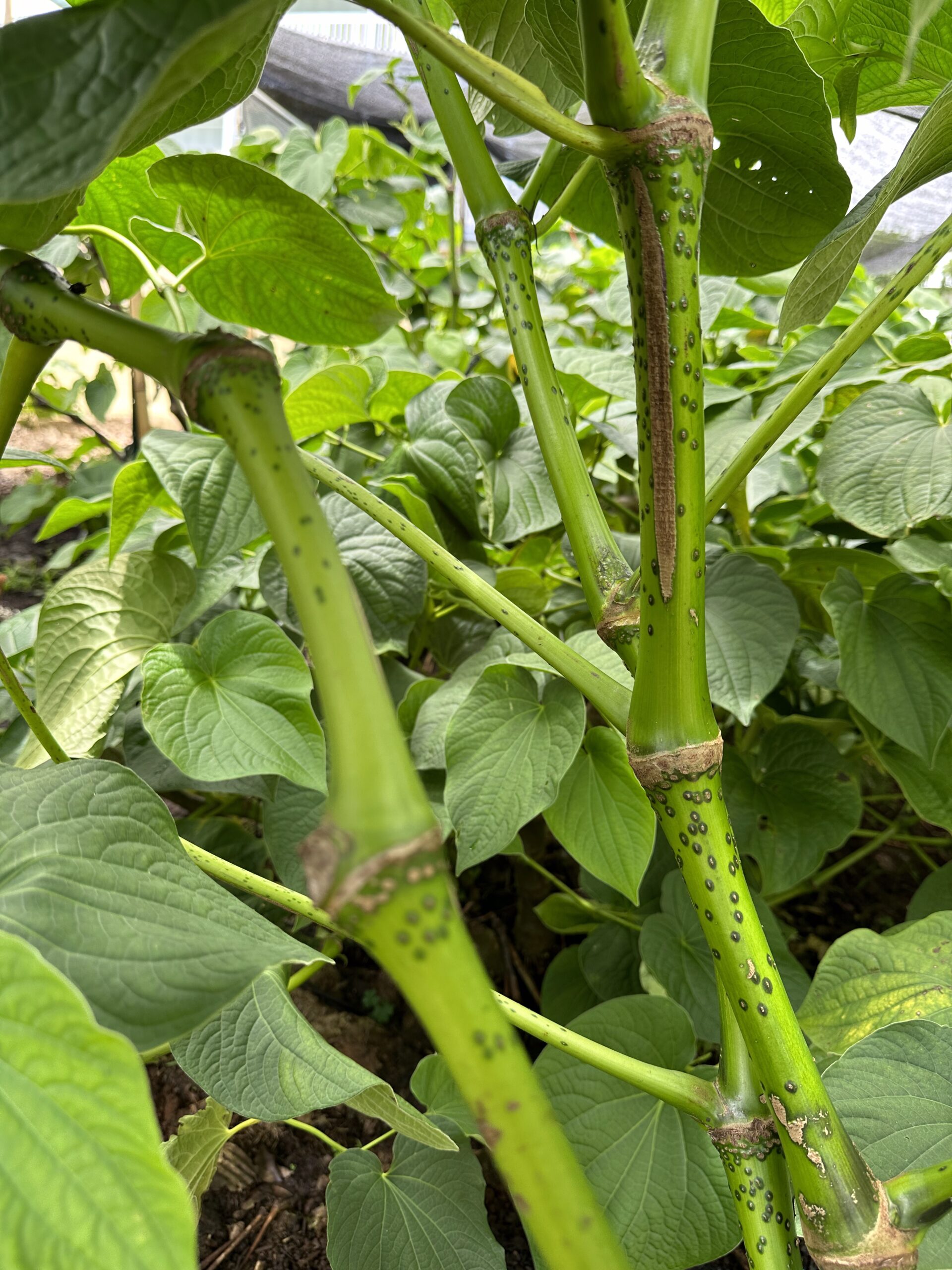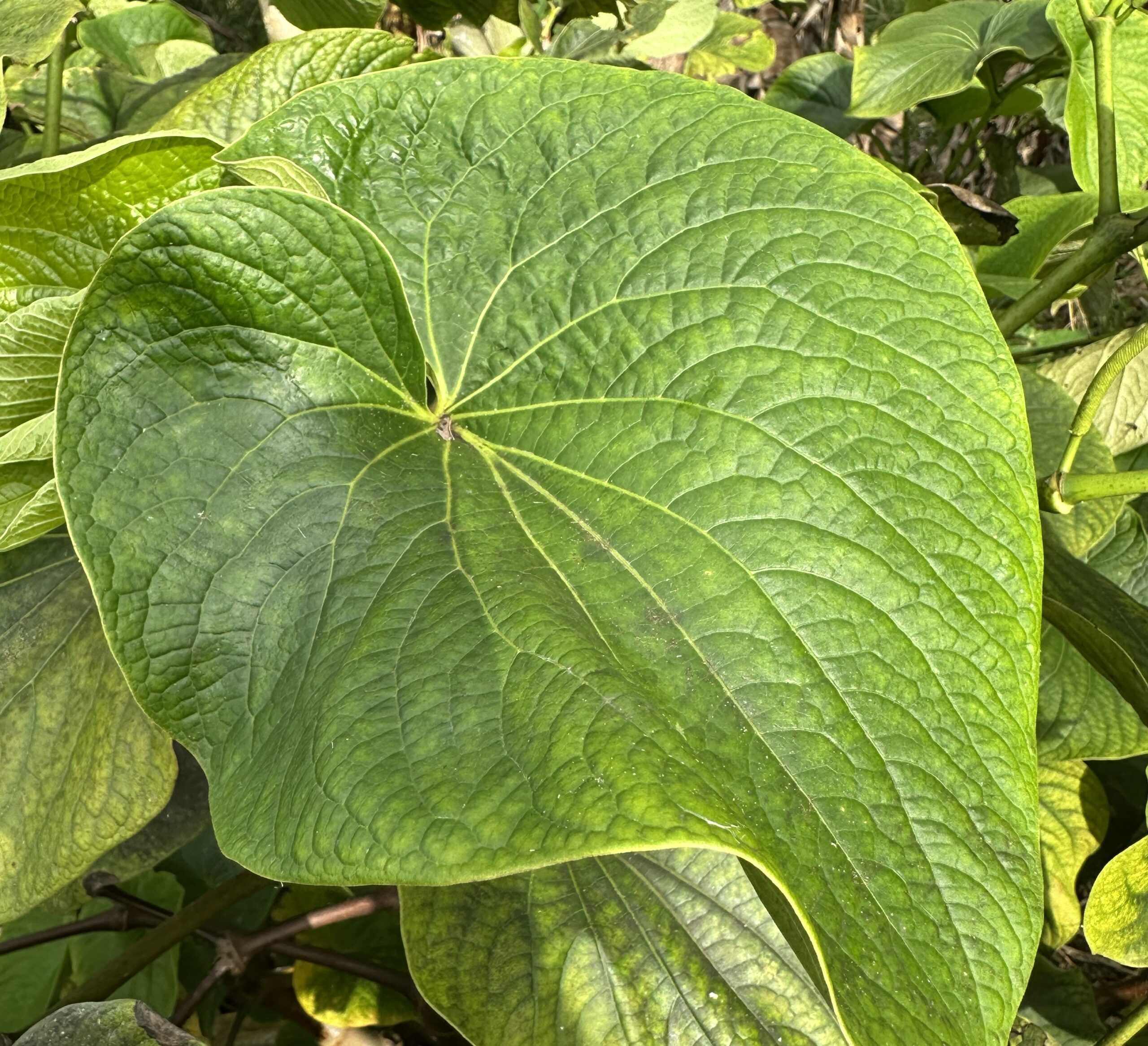

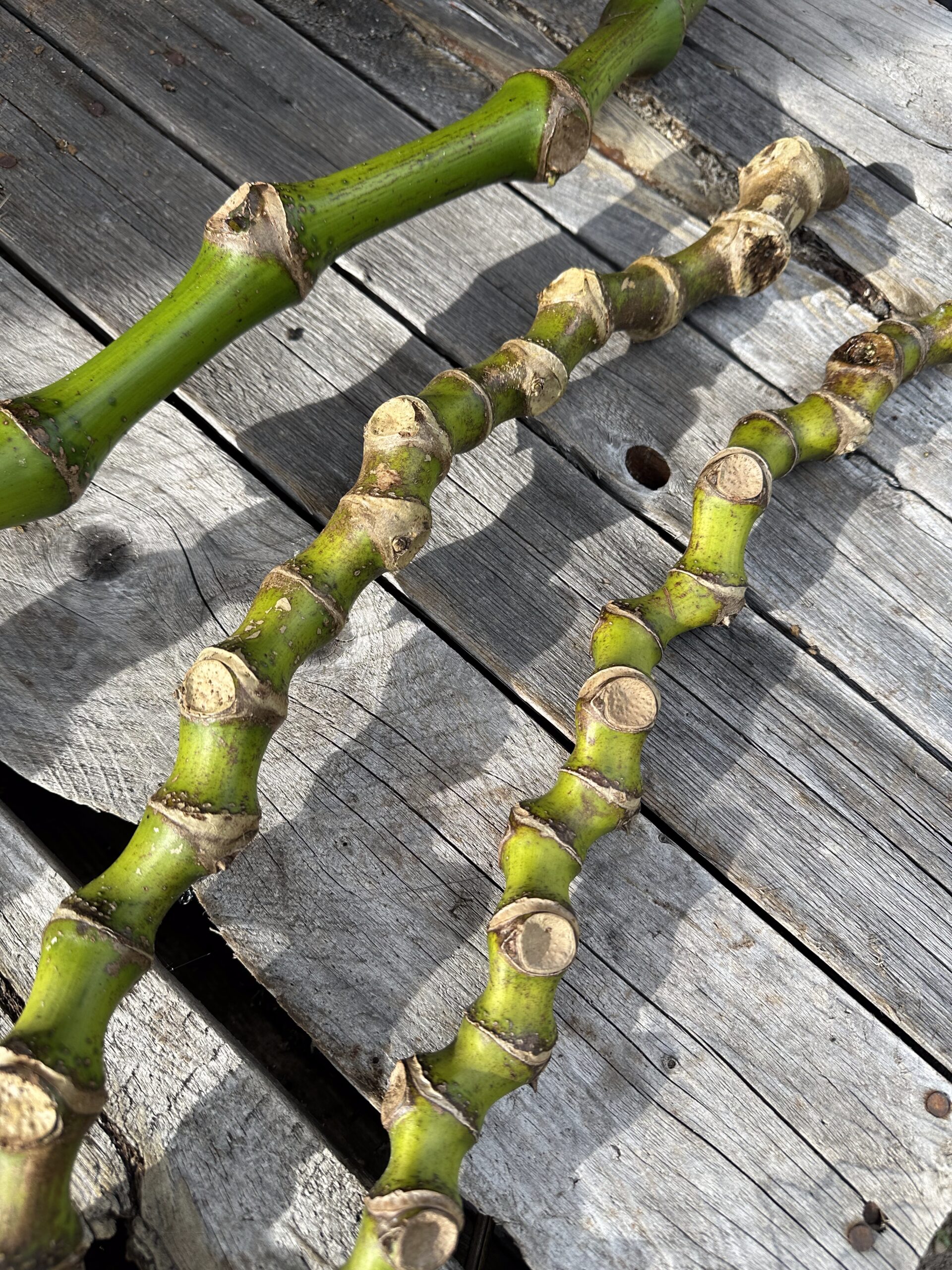
Interest in kava cultivation has expanded rapidly in recent years.
Across the United States, kava bars and non-alcoholic functional beverages continue to grow in popularity. At the same time, global supply limitations in major producing regions such as Vanuatu and Fiji have increased interest in local production systems.
Hawaiʻi appears well positioned for kava cultivation.
The climate is suitable.
The crop already has deep Pacific cultural roots.
And local demand remains strong.
Yet commercial expansion remains relatively limited.
One reason is that kava is not a simple crop to establish well.
Successful production requires careful management of drainage, shade, spacing, propagation material, and disease prevention. Many of the most serious problems emerge slowly over time rather than immediately after planting.
Disease pressure remains one of the largest challenges in Hawaiʻi production systems.
Warm temperatures, high humidity, and prolonged rainfall create conditions favorable for root diseases and decline syndromes. Poor airflow, excessive shade, and saturated soils significantly increase risk.
Because kava is clonally propagated, planting material quality also becomes critically important. Weak or infected cuttings can introduce long-term problems into an entire field.
This means Hawaiʻi growers must think preventively.
Good establishment practices reduce disease pressure years later. Site selection, spacing, water management, and healthy propagation material all matter long before harvest.
At the same time, Hawaiʻi holds unique advantages.
Small-scale diversified agriculture,
agroforestry systems,
direct-to-consumer markets,
and local branding
may allow growers to compete despite imported supply dominating overall consumption.
As demand for alcohol alternatives and Pacific crops continues to rise, Hawaiʻi kava production may continue expanding — especially among growers focused on quality and long-term field management rather than rapid scaling.