
Drainage is one of the most important — and most underestimated — parts of tropical agriculture in Hawaiʻi.
Many growers focus on rainfall totals, irrigation systems, or fertilization. Yet long-term crop health often depends more on what happens underground after heavy rain.
Kava provides a clear example.
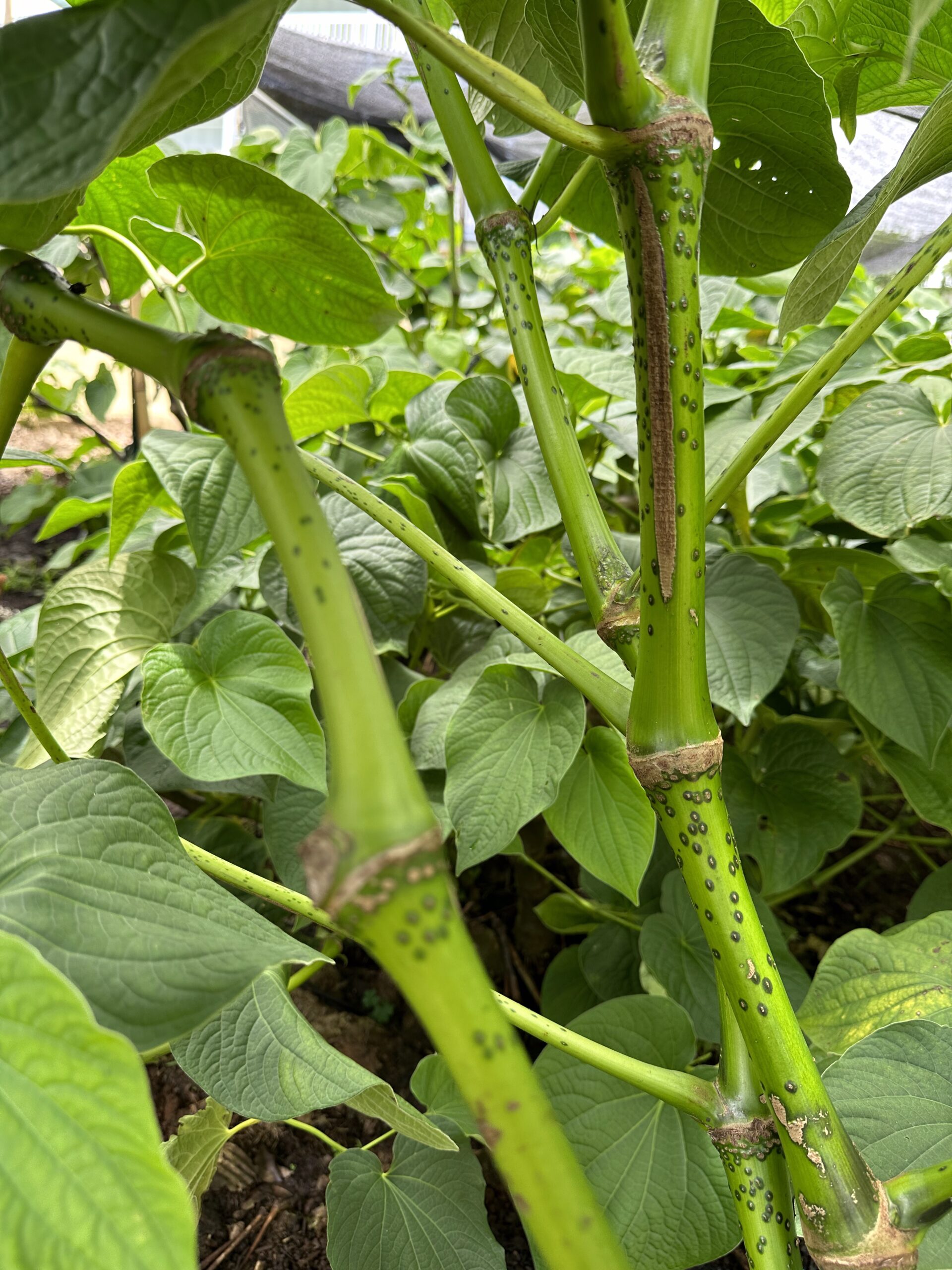
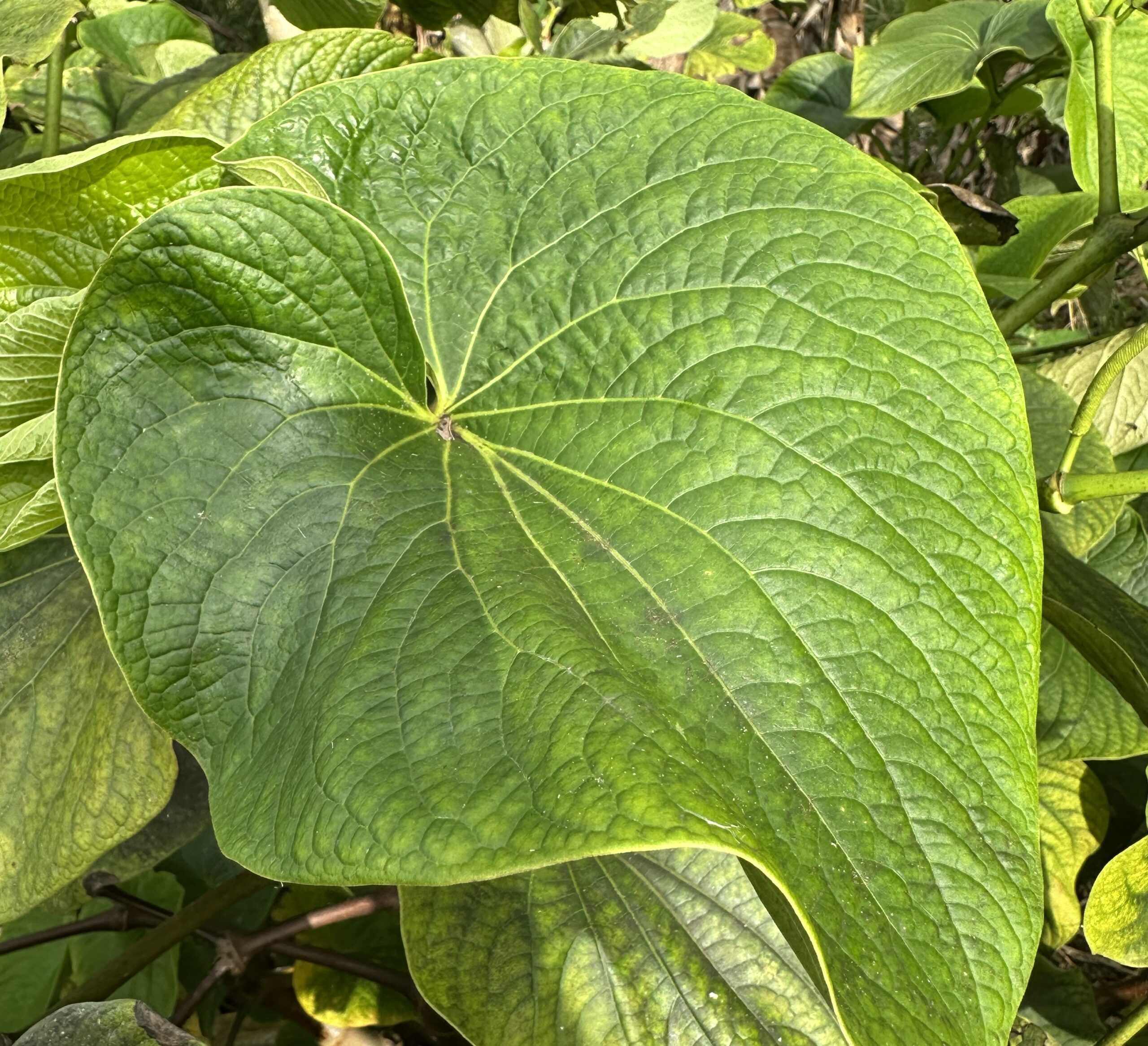
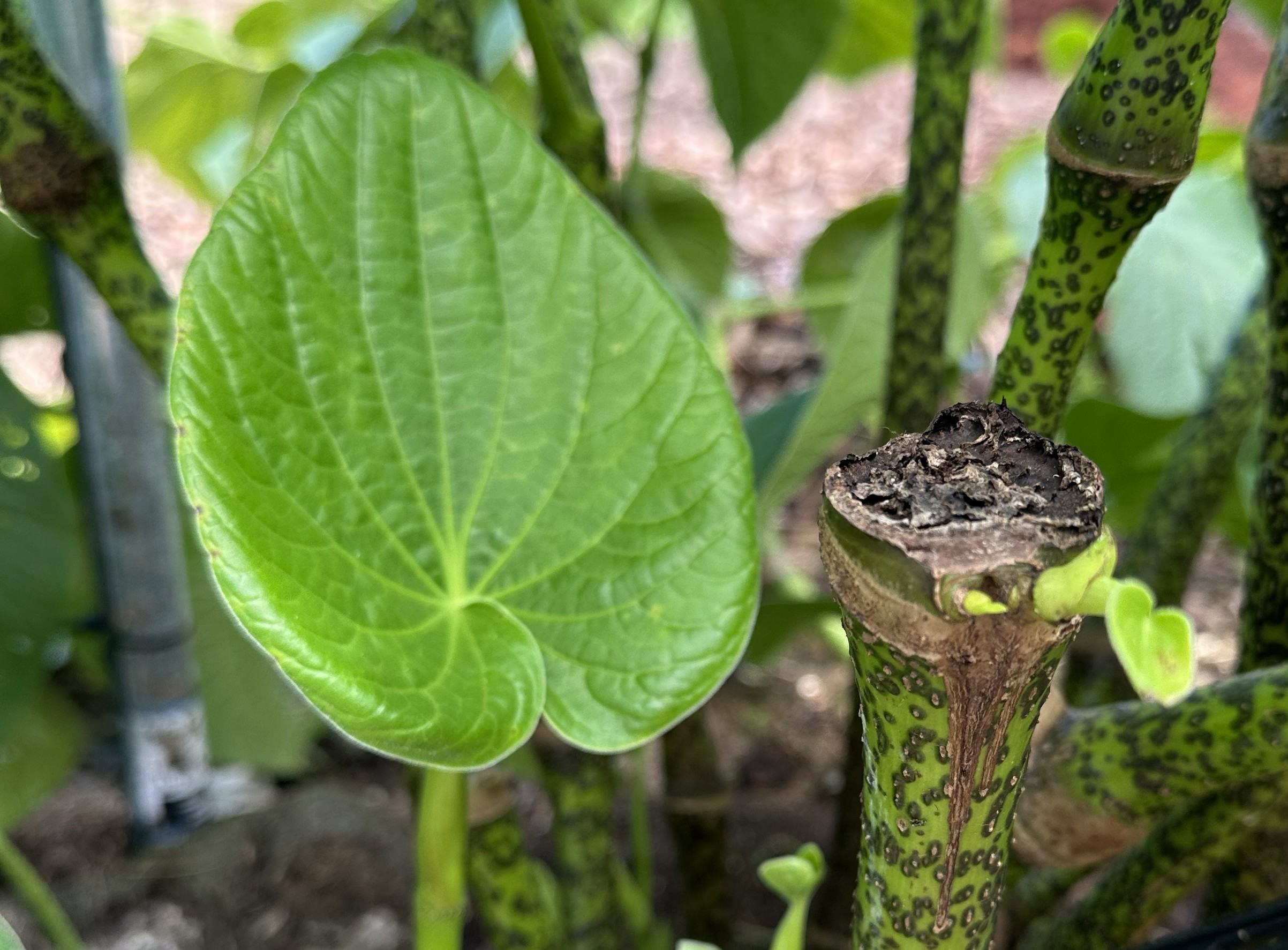
Although kava thrives in humid tropical environments, it does not tolerate prolonged saturation well. Poor drainage significantly increases the risk of root and basal stem diseases. In many cases, decline begins underground long before visible symptoms appear in the canopy.
This creates a dangerous illusion for new growers.
The plant may appear healthy above ground while root systems slowly deteriorate below the surface.
In Hawaiʻi, drainage challenges vary dramatically depending on location and soil type. Some areas drain rapidly through volcanic substrates, while others remain saturated after extended rainfall. Heavy soils, compacted ground, and low-lying areas create higher disease pressure for many perennial crops.
This is why site selection matters so much.
Growers establishing kava plantings should avoid areas prone to standing water whenever possible. Raised beds and planting mounds can substantially improve conditions in marginal sites. Airflow also matters because trapped humidity compounds disease pressure around the base of the plant.
Good drainage influences far more than disease prevention.
Healthy root systems improve nutrient uptake, plant vigor, and long-term productivity. Weak root systems create chronic stress that reduces resilience over time.
Many tropical agriculture failures are not caused by a single catastrophic event.
They result from chronic environmental stress accumulating slowly underground.
This is particularly important in Hawaiʻi, where heavy rainfall and humid conditions can create ideal environments for disease development if drainage is neglected.
For serious growers, drainage is not a secondary detail.
It is infrastructure.