
Many crop failures begin before planting even starts.
In tropical agriculture, propagation material often determines the long-term health of an entire field. Weak, diseased, or contaminated planting material creates problems that may persist for years.
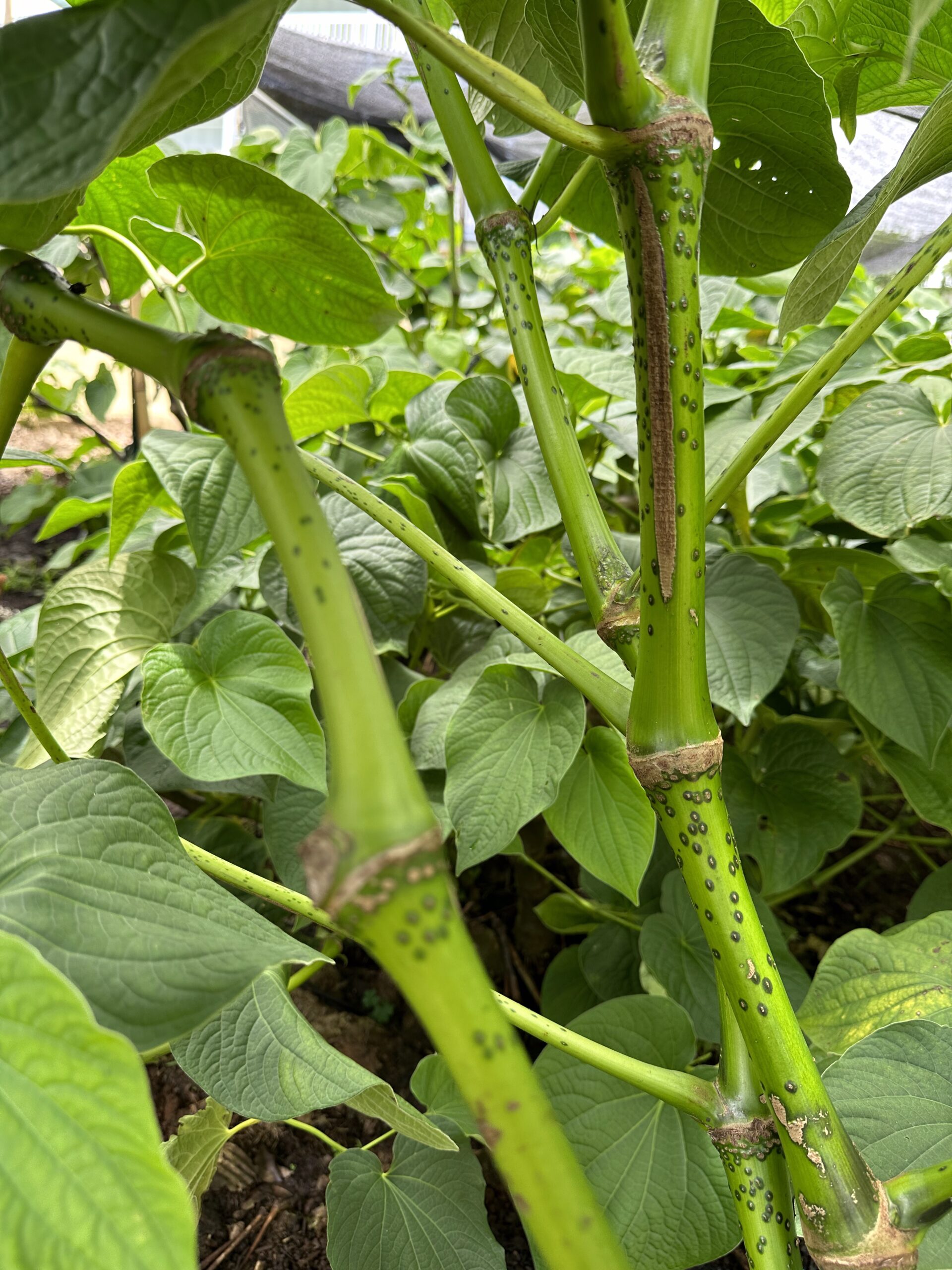
Kava is an especially clear example because it is clonally propagated.
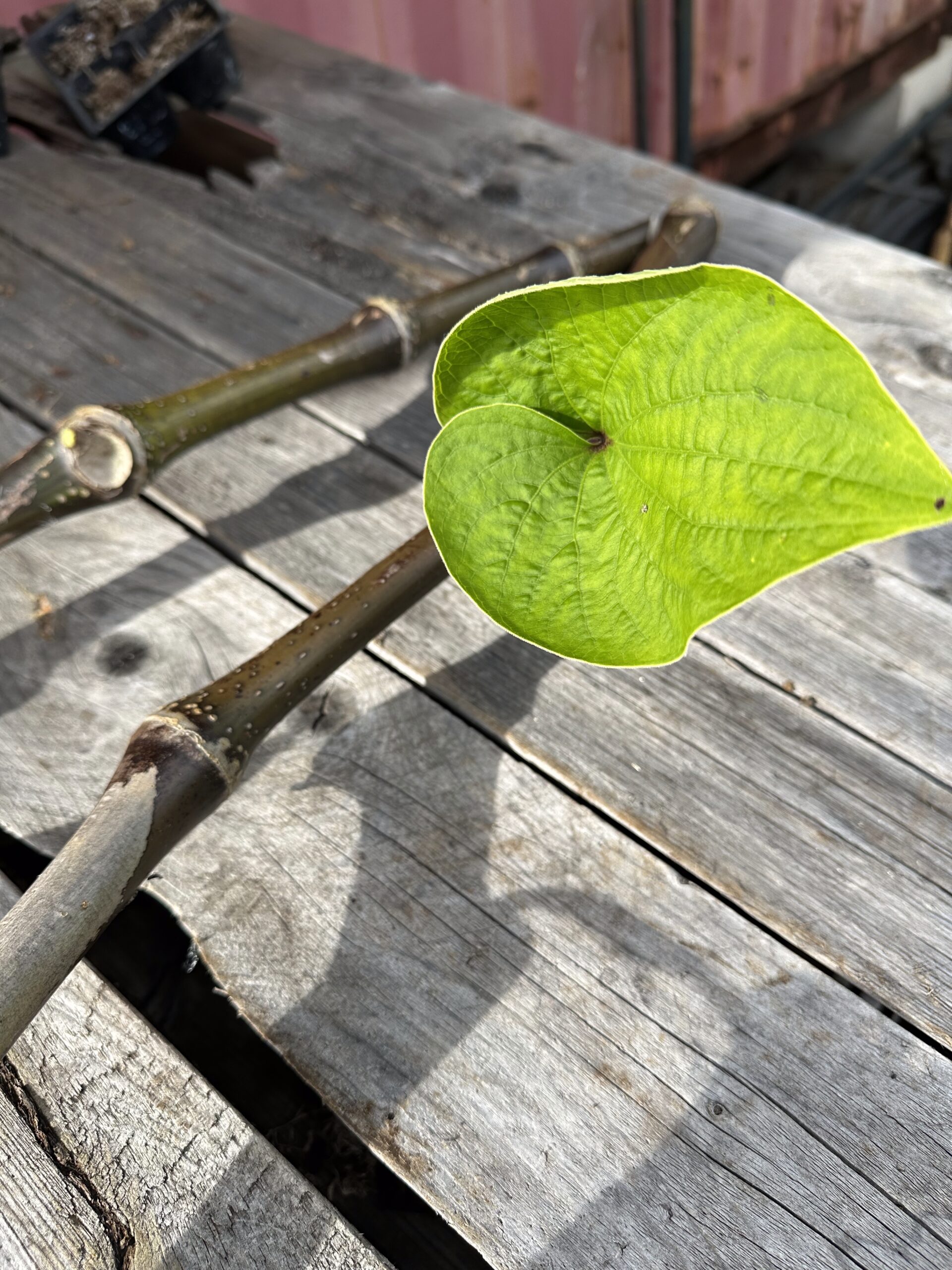
Unlike seed-grown crops, kava is established through vegetative stem cuttings. This means the characteristics of the mother plant are directly copied into future generations.
Strong plants create stronger fields.
Weak plants create chronic problems.
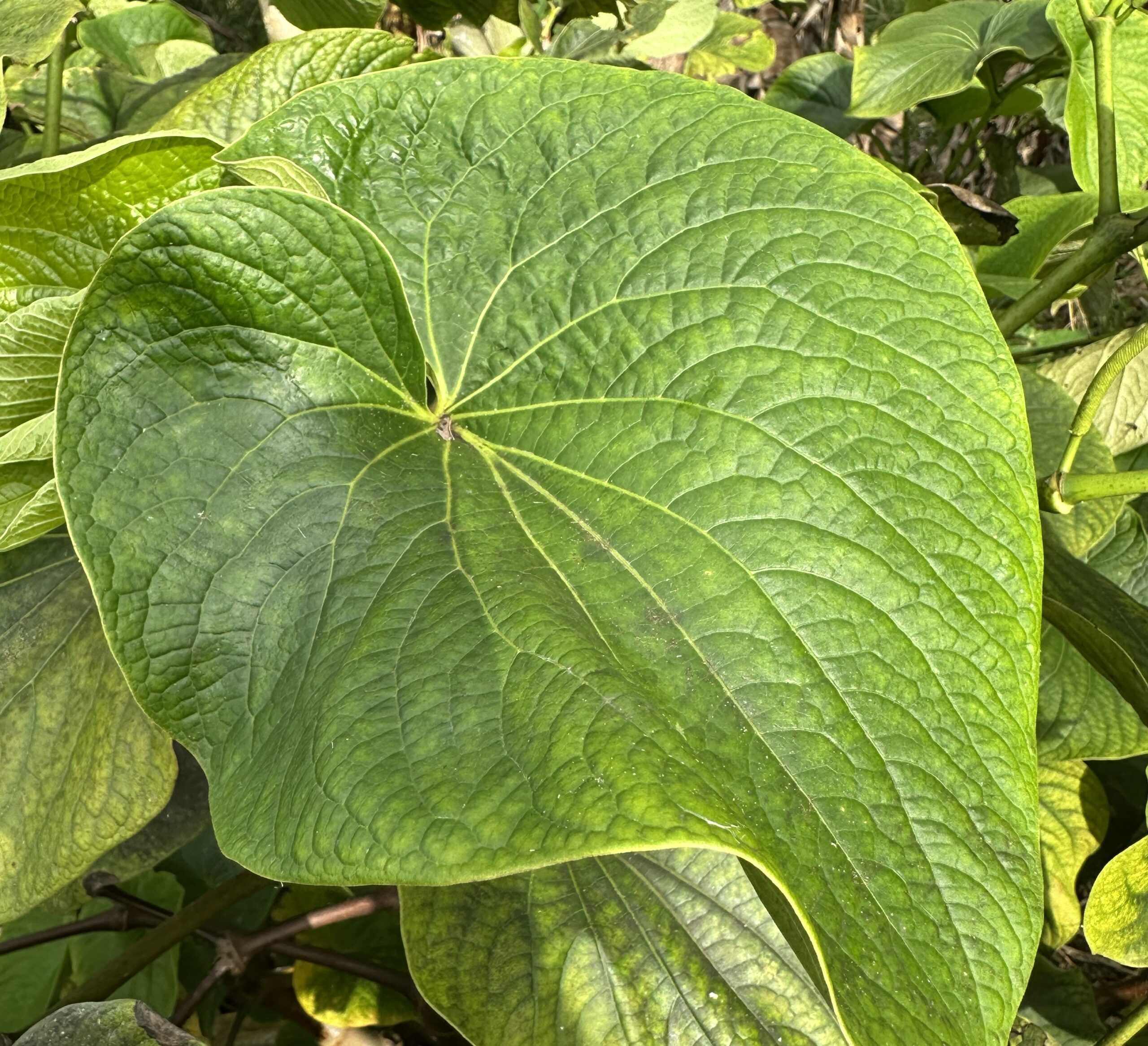
Healthy propagation material should come from vigorous mother plants with upright growth, uniform leaf color, and no signs of rot, wilt, or disease. Using clean planting material is one of the simplest and most effective ways to reduce future disease pressure.
This matters even more in Hawaiʻi.
Island agricultural systems remain highly vulnerable to pest and disease introduction. Once problems become established, control can be extremely difficult and expensive.
Tool sanitation is also important.
Cutting tools should be disinfected between plants to reduce disease transmission during propagation. Growers who collect material from unknown or mixed sources increase the risk of introducing hidden problems into otherwise healthy systems.
Nursery management further influences success.
Overwatering,
poor airflow,
and excessive humidity
can all create disease pressure before plants even reach the field.
Many growers focus heavily on fertilizers, harvests, or marketing.
But strong tropical agriculture usually begins with clean biological systems.
Healthy propagation material is not just a technical detail.
It is the foundation of long-term field performance.