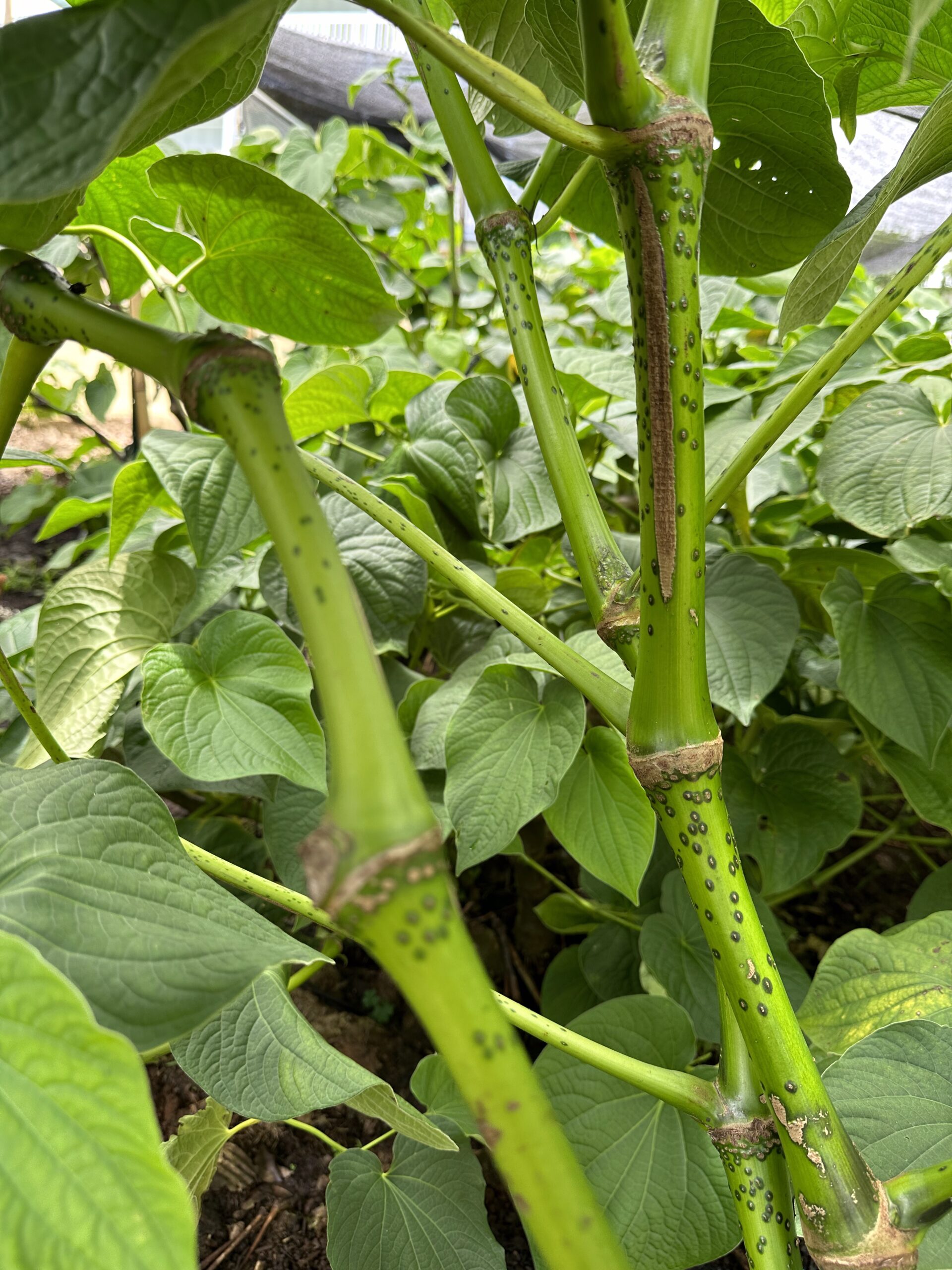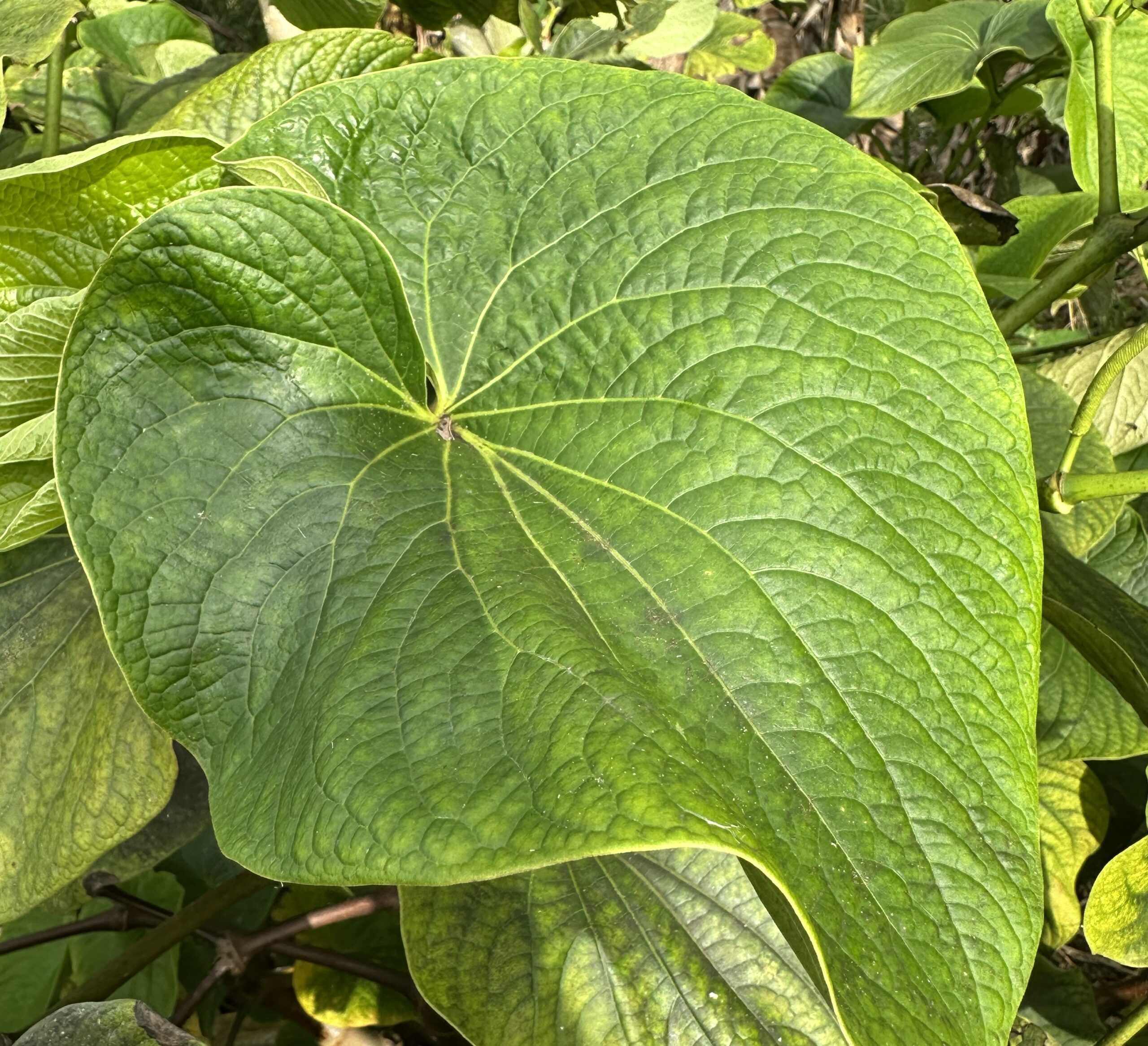

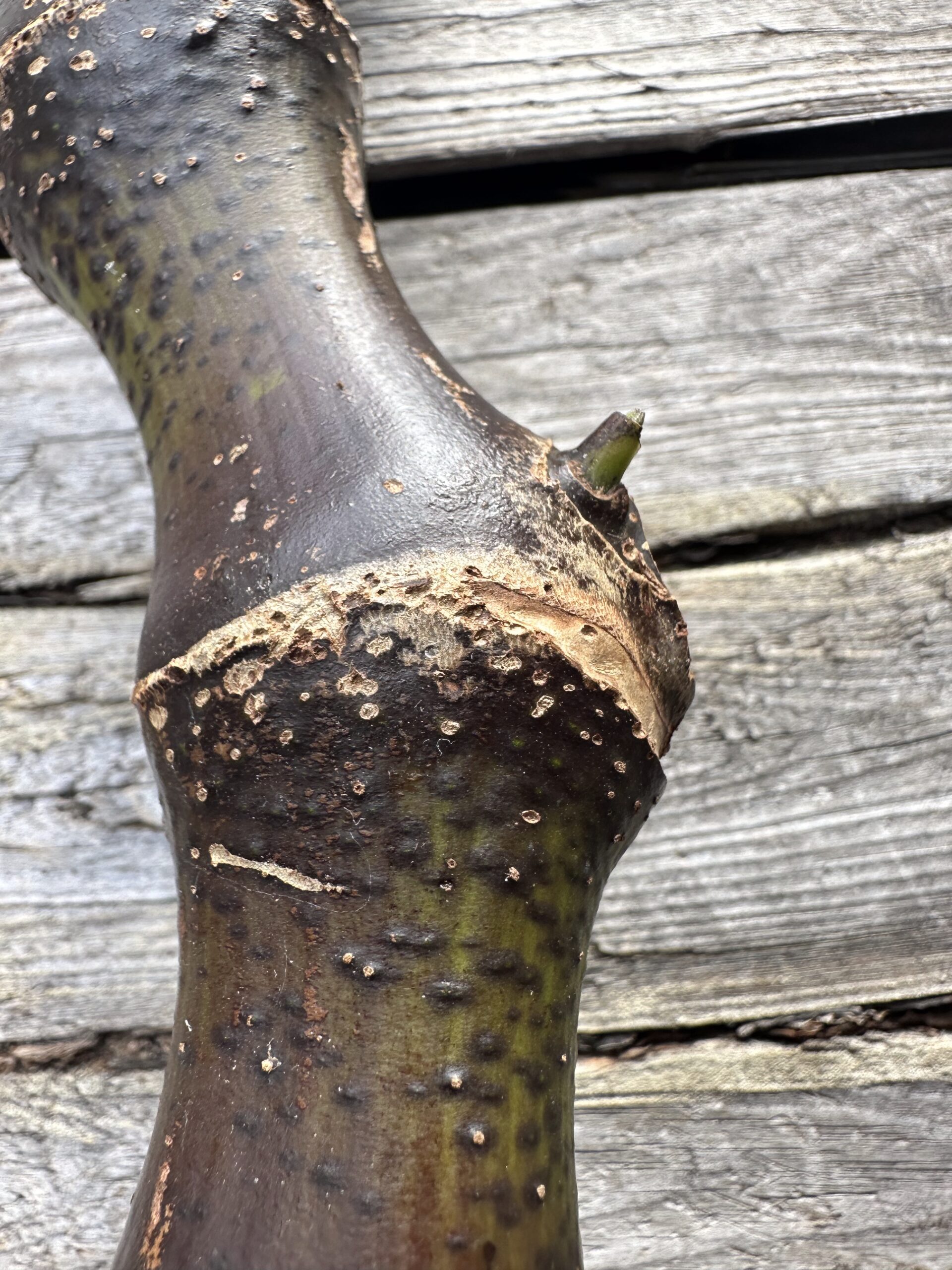
Kava demand has increased dramatically in recent years.
Across the United States, kava bars have expanded into urban markets while consumers increasingly seek non-alcoholic alternatives and functional beverages. This shift has created growing commercial interest in kava production worldwide.
Several factors are driving this trend.
One is changing consumer behavior.
Many younger consumers are reducing alcohol consumption while looking for social alternatives. Kava has entered this space as a culturally rooted beverage associated with relaxation and community use.
Regulatory clarity has also contributed to market growth.
International assessments and Codex Alimentarius standards have helped strengthen confidence in traditionally prepared kava beverages when produced using appropriate plant material and established practices.
At the same time, supply constraints have pushed prices higher.
Major producing countries such as Vanuatu and Fiji continue dominating global exports, but production limitations and rising demand have tightened supply chains.
This has renewed interest in local production systems, including Hawaiʻi.
Yet economics in agriculture are rarely simple.
Kava requires patience.
Production timelines are long.
Disease pressure can be significant.
And Hawaiʻi production costs remain high compared to many Pacific regions.
This means successful growers often compete through quality, freshness, branding, and direct market access rather than commodity pricing alone.
Fresh frozen kava,
specialty cultivars,
and local premium markets
may create opportunities where mass production cannot.
The broader lesson is that agricultural opportunity often emerges when cultural shifts, supply constraints, and consumer trends intersect simultaneously.
Kava now sits at that intersection.