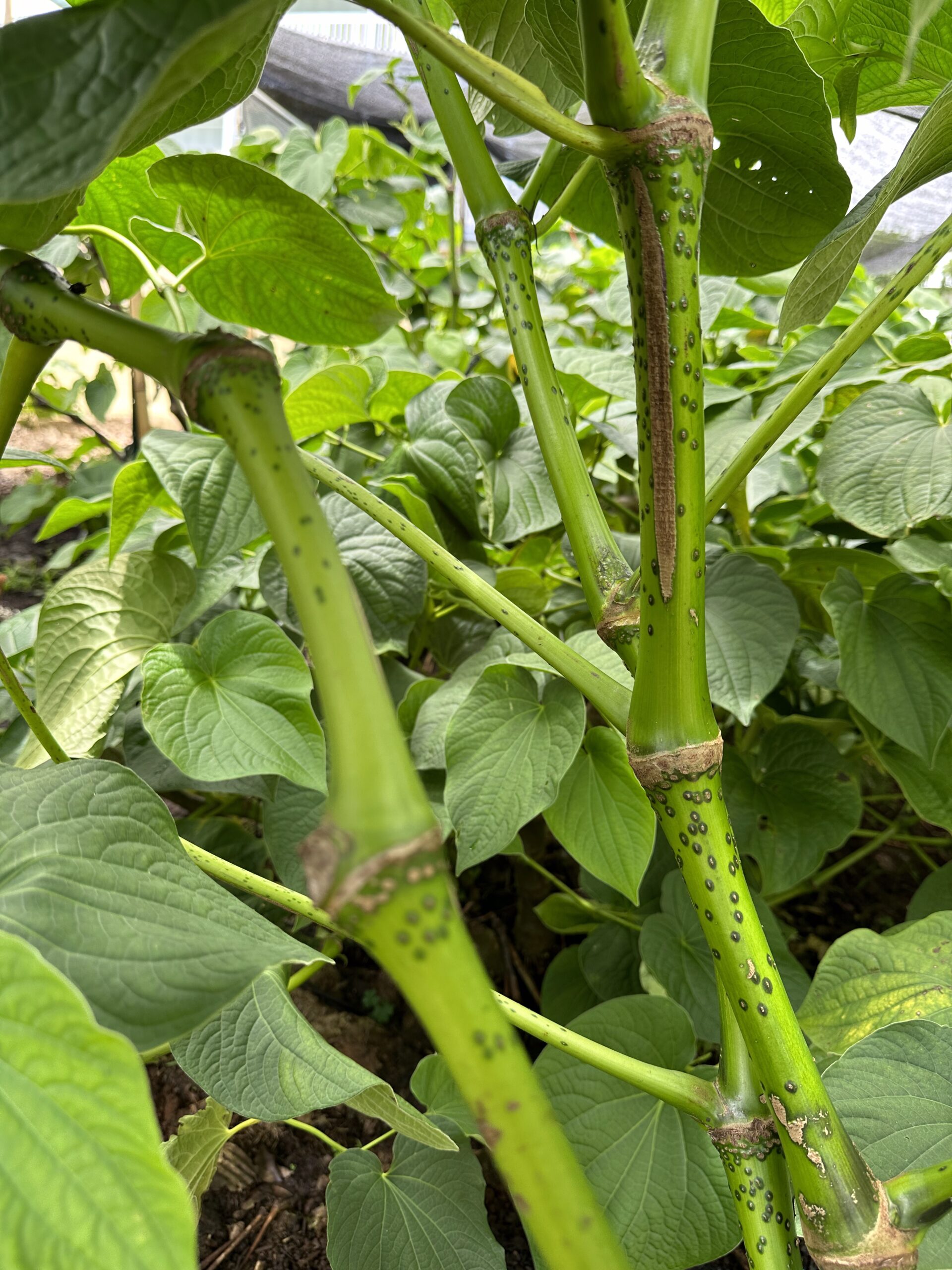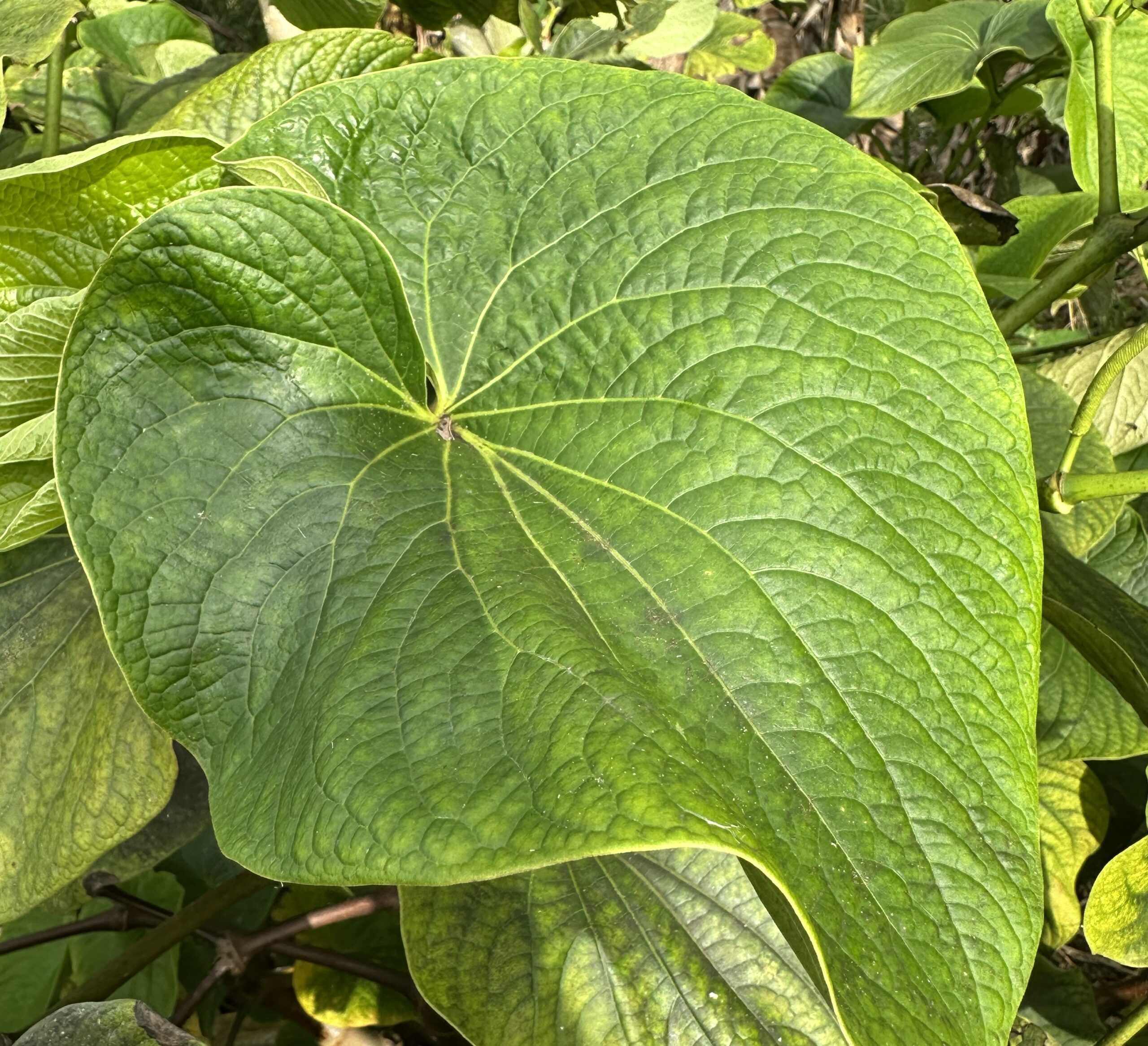

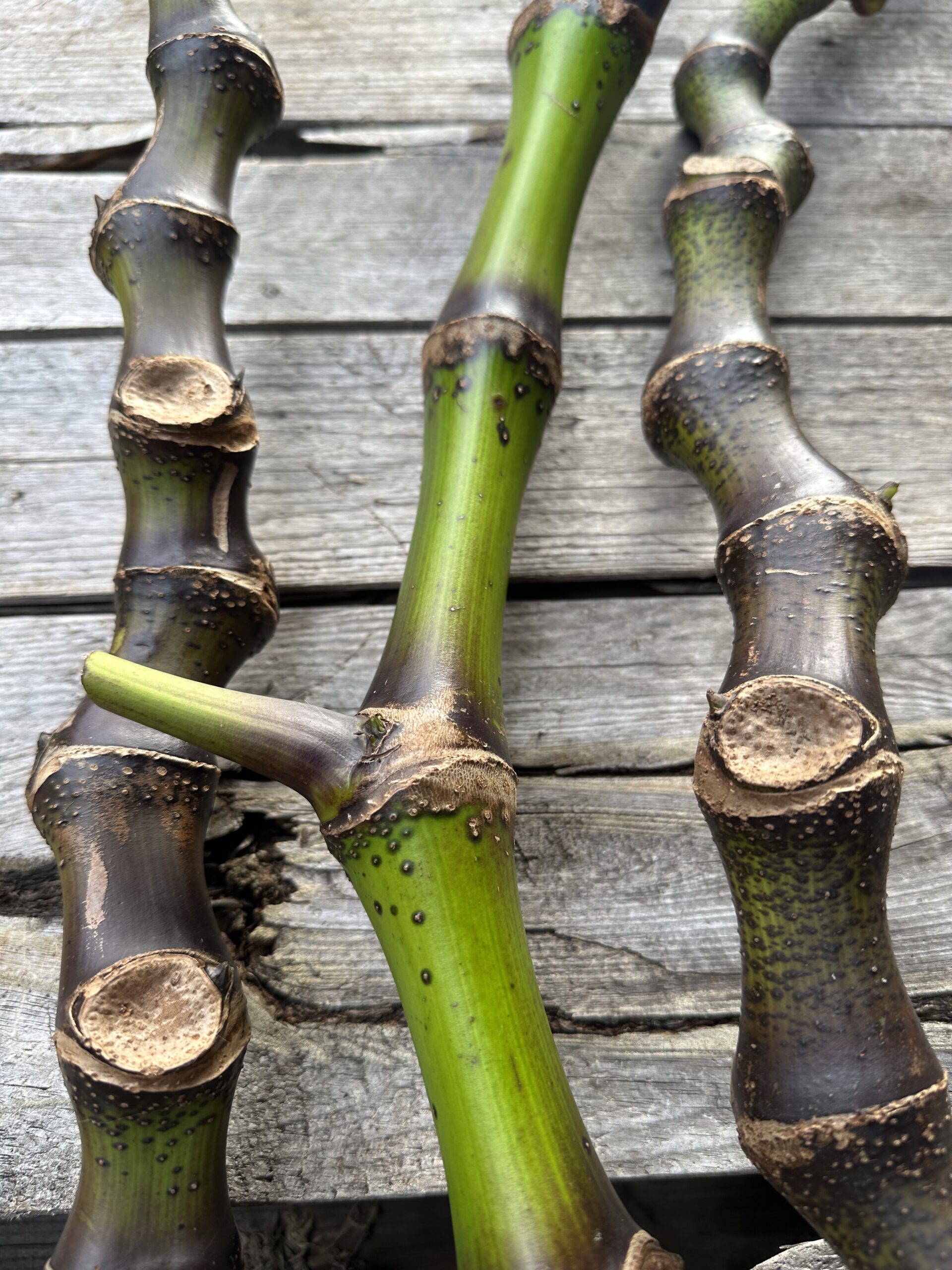
Kava cultivation in Hawaiʻi continues to attract growing interest from small farms, agroforestry projects, and community-based agriculture initiatives. Rising demand for non-alcoholic functional beverages, expanding kava bars across the United States, and renewed attention to Pacific crops have all contributed to this growth. Yet many new plantings fail long before harvest.
The reason is usually not harvest technique.
It is establishment.
Healthy kava production begins with decisions made during the earliest stages of planting. Site selection, drainage, propagation material, spacing, shade management, and water control all determine whether a planting remains productive years later.
Kava performs best in warm, humid environments with reliable moisture and moderate shade. In Hawaiʻi, lowland and mid-elevation areas without frost are generally most suitable. However, growers often misunderstand one critical point: kava is not a swamp plant. Poor drainage and standing water dramatically increase disease pressure and root decline.
This is one of the most common mistakes in tropical agriculture.
Sites with prolonged saturation should be avoided whenever possible. Raised beds or planting mounds can improve establishment and reduce disease risk in marginal locations. Good airflow also matters. Dense spacing and trapped humidity create favorable conditions for disease development.
Propagation material is equally important.
Kava is clonally propagated, meaning weak or diseased planting material creates long-term problems throughout the life of the field. Healthy mother plants should show strong upright growth, uniform leaf color, and no signs of rot or disease. Clean planting material is one of the simplest ways to reduce future losses.
Young plants benefit from partial shade during establishment, but excessive shade can reduce vigor and increase humidity-related disease pressure. Successful systems balance protection and airflow rather than maximizing canopy density.
Water management must also remain consistent. Kava prefers steady moisture but not saturation. Overwatering during early establishment is a common cause of decline.
One of the most overlooked realities of kava production is patience. High-quality kava is not a fast crop. Many growers wait three years or longer before harvest to achieve stronger root development and better kavalactone concentrations.
Successful tropical agriculture often depends less on dramatic interventions and more on avoiding preventable mistakes early.
For Hawaiʻi growers, strong establishment practices remain one of the most important investments in long-term productivity.