
Many kava growers focus heavily on harvests, markets, and processing.
But most kava problems begin much earlier.
The success or failure of a kava planting is often determined during establishment. Small mistakes during the first months can create years of disease pressure, weak growth, and poor yields.
One of the most common mistakes is poor drainage.
Many people assume tropical plants naturally thrive in saturated soils. Kava does not. Waterlogged conditions increase the risk of root diseases and decline. Sites with standing water or compacted soils frequently lead to long-term problems underground before visible symptoms appear above ground.
Another major issue is poor propagation material.
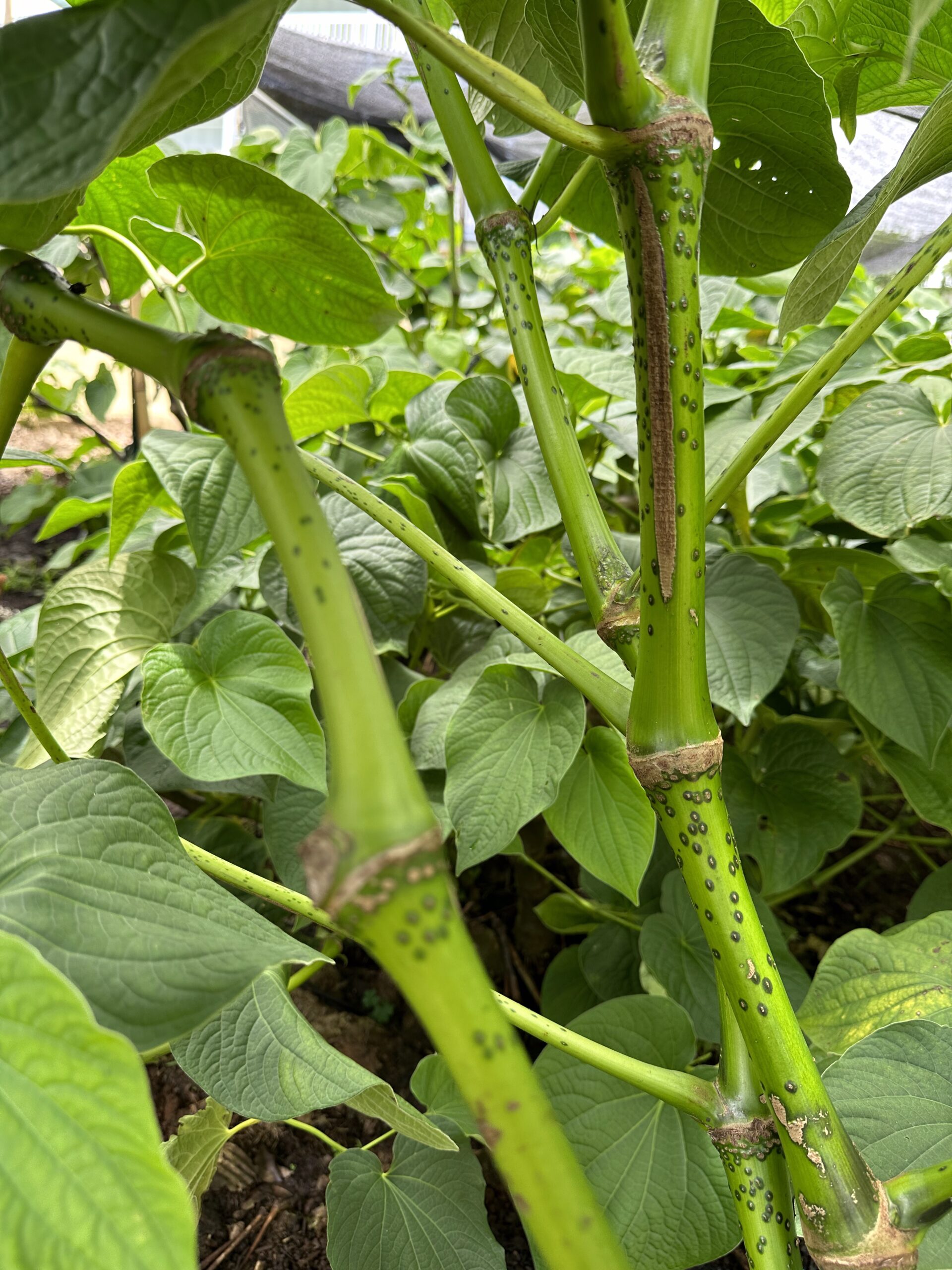
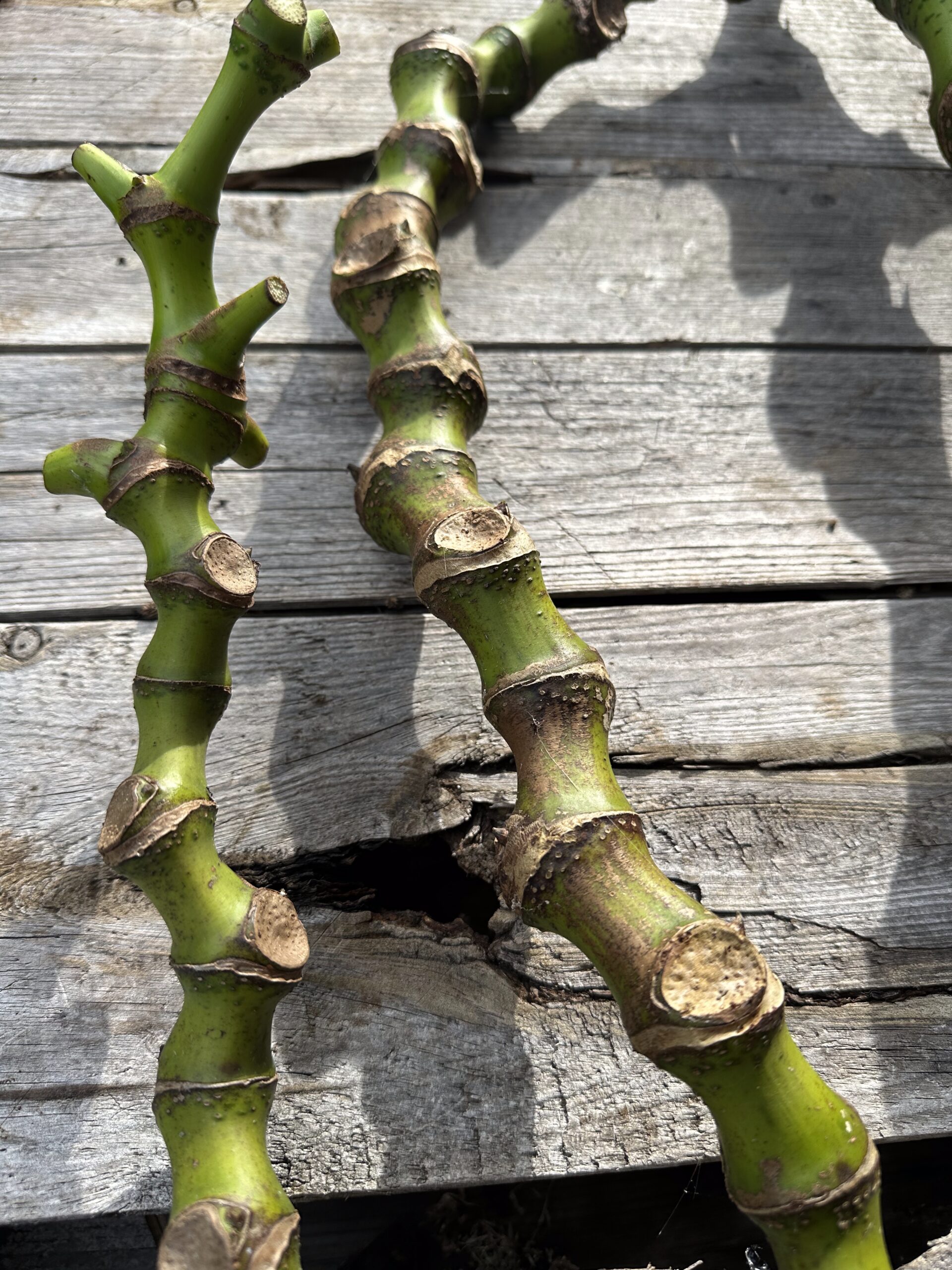
Kava is propagated vegetatively through stem cuttings. If growers use weak, diseased, or poorly sourced cuttings, those problems persist throughout the life of the planting. Healthy mother plants matter. Clean propagation material matters.
Overwatering is another common establishment failure.
Young plants require moisture, but constant saturation stresses the root system and increases disease pressure. Well-managed irrigation delivers consistent moisture without flooding the root zone.
Shade management is also widely misunderstood.
Kava benefits from partial shade, especially during early establishment, but excessive shade creates stagnant humid conditions that encourage disease. Productive systems balance light, airflow, and moisture rather than maximizing canopy cover.
Spacing is another overlooked factor.
Tightly packed fields may appear efficient initially, but poor airflow around the plant base increases humidity and disease risk over time. Wider spacing improves air circulation and long-term stand health.
Finally, many growers underestimate the importance of patience.
Kava is not a quick crop. Early harvesting often results in lower-quality roots and reduced kavalactone concentrations. Serious production systems are built around long-term management rather than rapid turnover.
In Hawaiʻi, successful kava cultivation is often less about maximizing inputs and more about reducing preventable stress.
Good drainage.
Healthy planting material.
Balanced shade.
Thoughtful spacing.
Consistent management.
Those decisions determine whether a planting thrives years later.