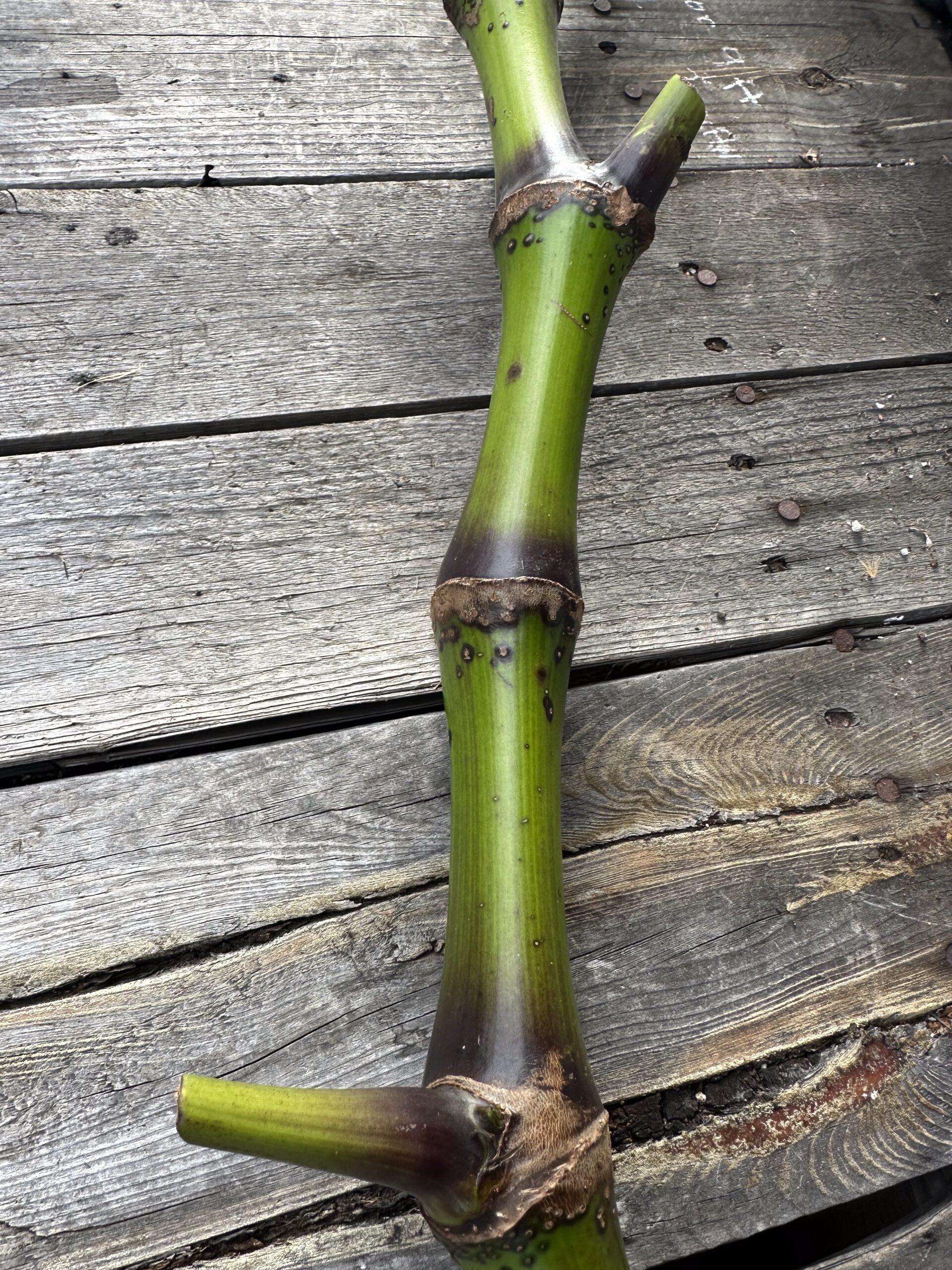

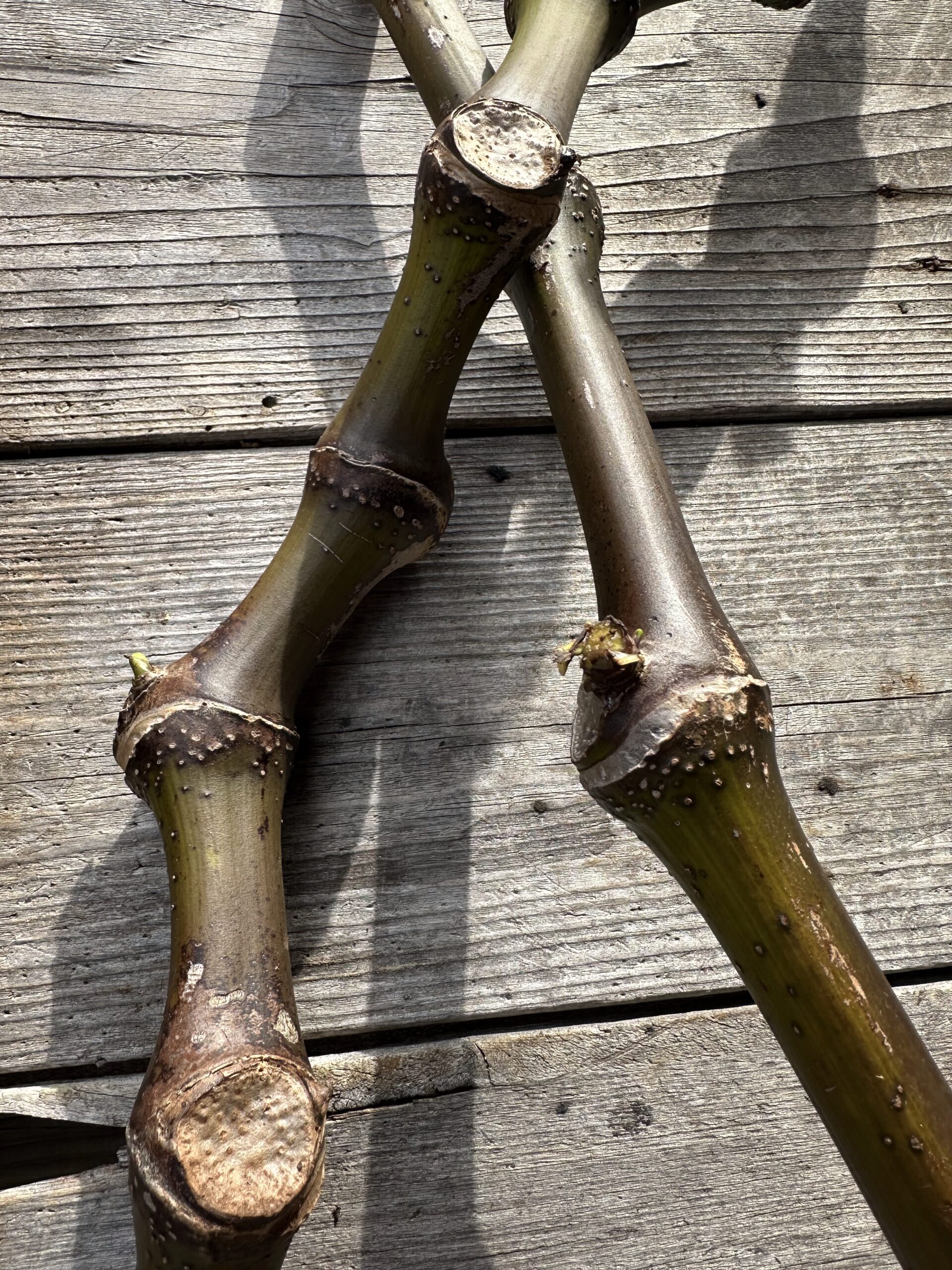
Many new kava growers assume success depends mainly on soil, rainfall, or fertilizer. Those things matter, but one of the biggest determinants of long-term success happens before the plant ever enters the ground.
The cutting.
Kava is not normally propagated by seed. It is propagated vegetatively through stem cuttings. That means every new plant is essentially a continuation of older plant material. The quality of the original cutting therefore has enormous influence on future field performance.
This is especially important because kava is a slow crop. Depending on cultivar and growing conditions, harvest may take several years. Problems hidden in the planting material may not become obvious until substantial time and labor have already been invested.
Experienced growers often pay close attention to:
stem thickness,
node integrity,
visible disease,
signs of rot,
vigor,
and the reliability of the source material.
Weak or contaminated cuttings can reduce vigor, increase disease risk, and create uneven fields that are difficult to manage later.
In many crops, mistakes can be corrected quickly within a season. Kava is different. Because of the long production cycle, early decisions compound over time.
For that reason, serious kava production begins with propagation discipline.
The field usually reflects the quality of the material that entered it years earlier.