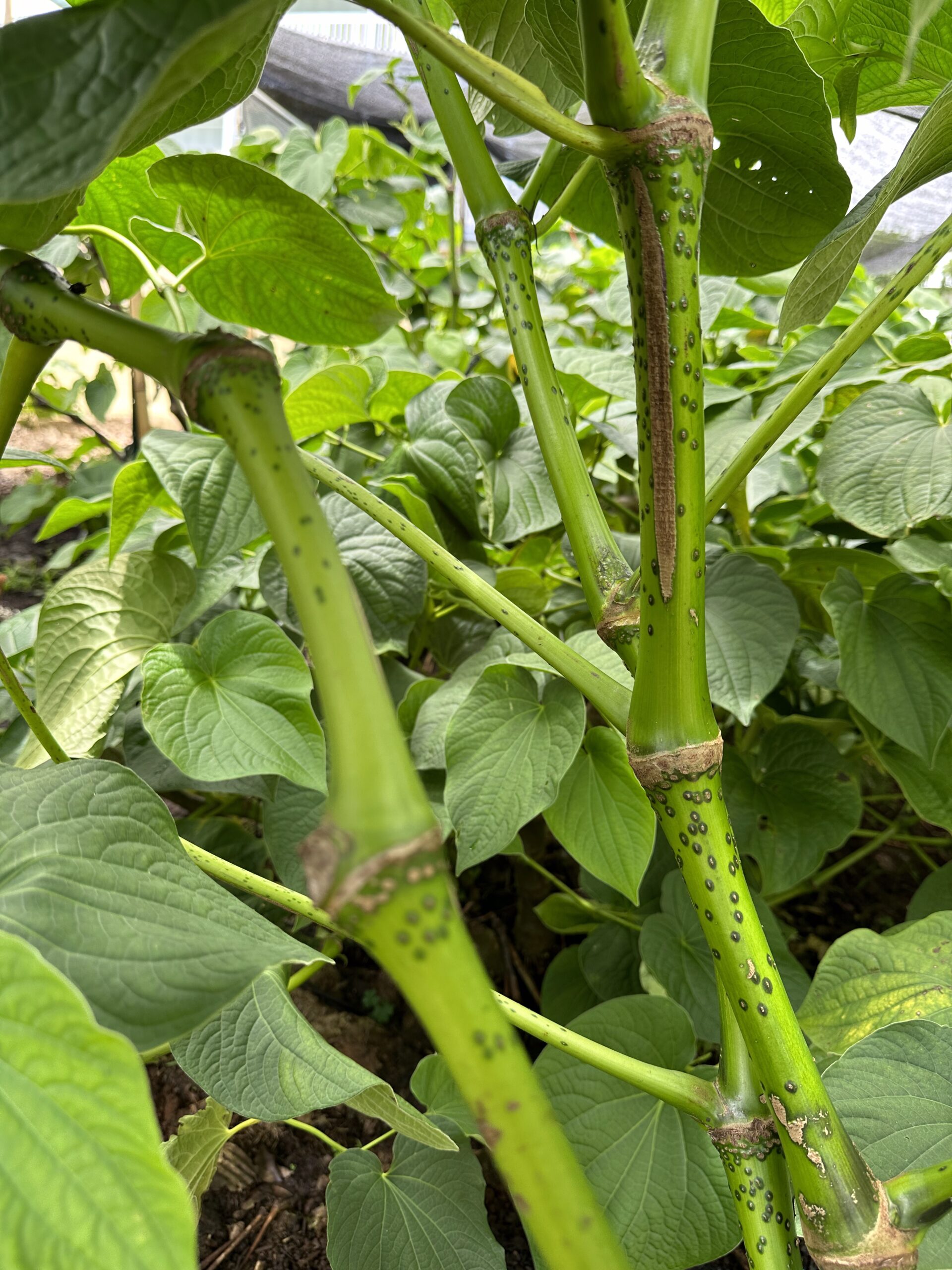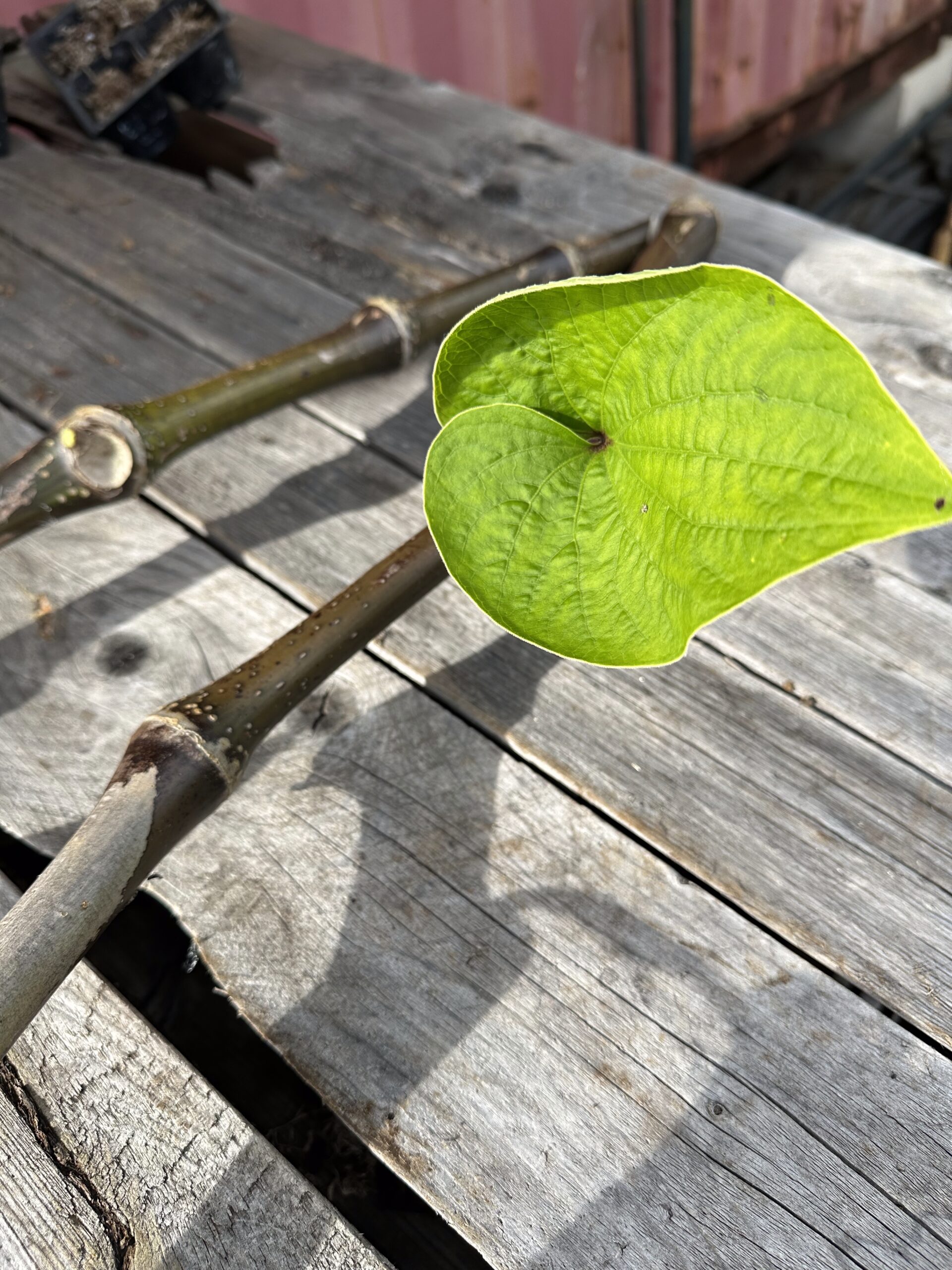

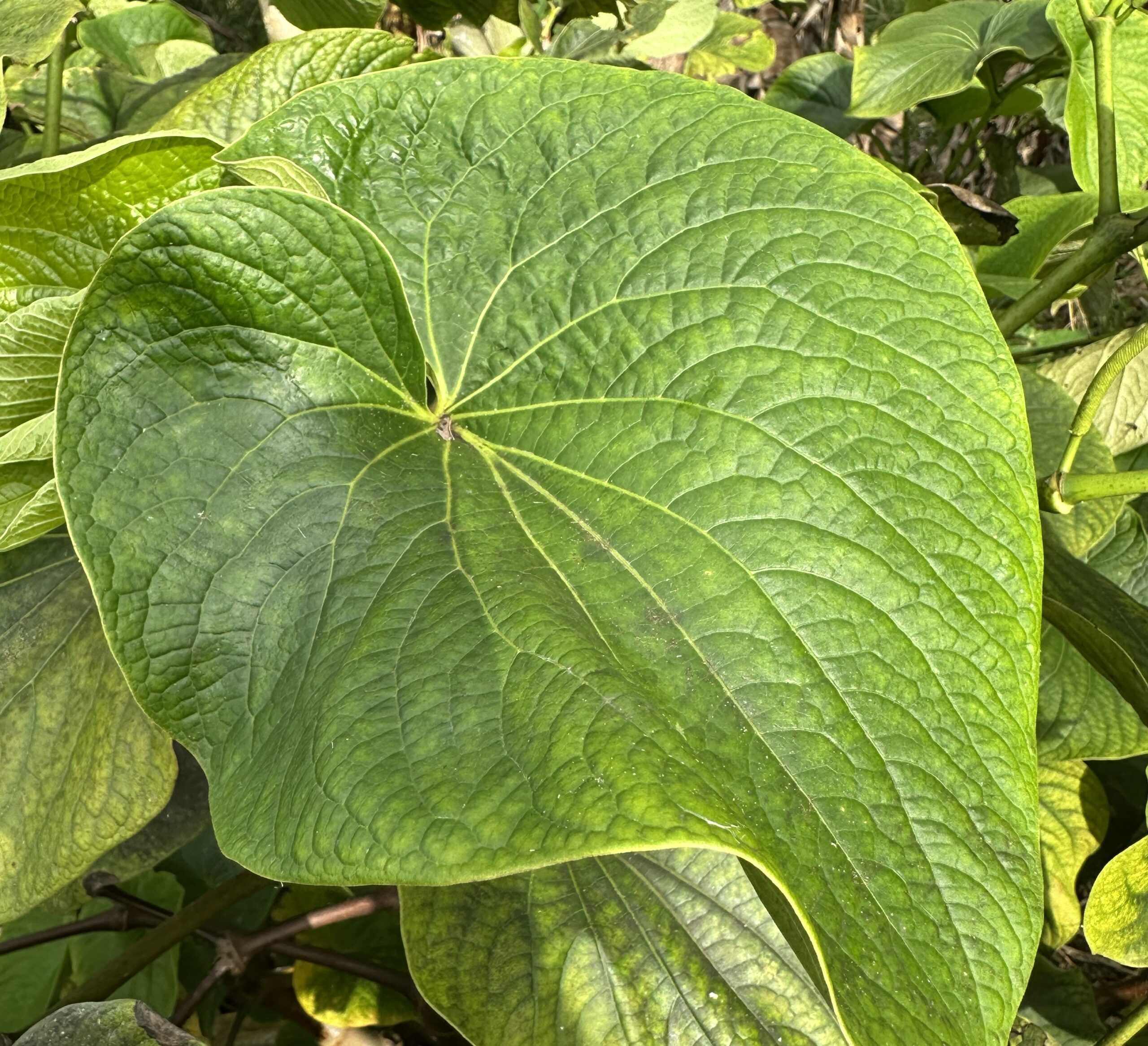
Kava demand continues to grow across the United States.
Kava bars have expanded into major cities.
Functional beverages continue gaining popularity.
And many consumers are seeking alternatives to alcohol.
At the same time, Hawaiʻi still imports most of the kava consumed locally.
This raises an important question:
Could Hawaiʻi eventually become a major kava producer?
The answer is complicated.
Hawaiʻi possesses many advantages:
suitable climate,
strong agricultural traditions,
Pacific cultural connections,
and growing local demand.
But commercial scaling also faces major obstacles.
Land costs in Hawaiʻi remain extremely high compared to many Pacific Island producers. Labor costs are also significantly higher. Imported kava from countries such as Vanuatu and Fiji continues to dominate global supply due to lower production costs and established export systems.
Disease pressure creates another challenge.
Warm, humid environments favor fungal diseases and decline syndromes, particularly when drainage and airflow are poorly managed. Long-term success requires careful field design and disease prevention strategies rather than rapid expansion alone.
Production timelines also matter.
Kava is not a quick annual crop. Many growers wait three years or longer before harvest to achieve stronger root development and better kavalactone quality.
This creates slower financial turnover compared to shorter-cycle crops.
However, Hawaiʻi may still hold strategic advantages in certain market segments.
Local branding,
fresh frozen kava,
specialty cultivars,
small-batch production,
agroforestry systems,
and direct-to-consumer sales
may allow Hawaiʻi growers to compete through quality rather than commodity volume.
The future of Hawaiʻi kava production may depend less on becoming the largest producer and more on becoming a highly respected producer.